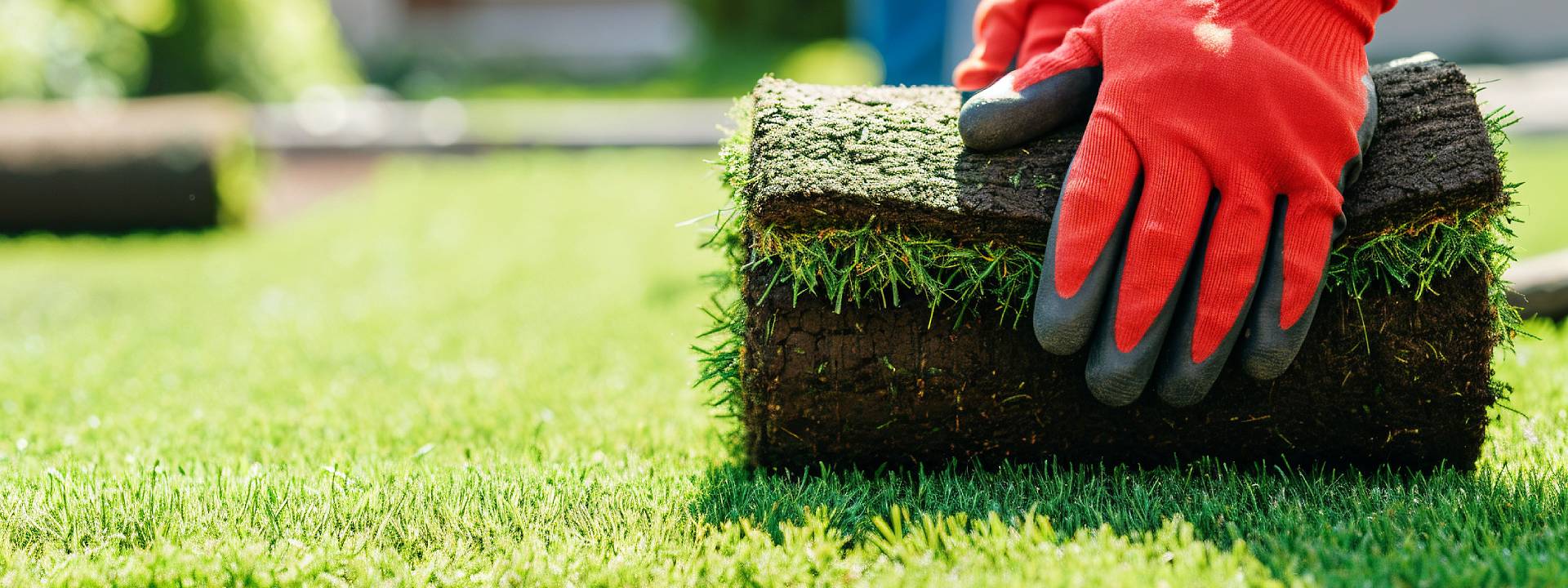
Did you know that traditional landscapes use 30-50% of household water for irrigation, yet drought-resistant alternatives can reduce this by up to 75%? Water-wise landscaping isn’t just about saving money on utility bills; it’s a comprehensive approach that creates stunning outdoor spaces while protecting precious water resources. This complete guide explores how strategic plant selection, proper soil preparation, and smart irrigation systems create landscapes that thrive in Georgia’s climate while dramatically reducing water consumption through proven horticultural principles.
How Drought-Resistant Landscaping Directly Impacts Water Conservation
The connection between plant selection and water usage isn’t just practical; it’s scientifically proven. Xeriscaping principles help reduce irrigation needs by up to 50-75%, leading to substantial cost savings and environmental benefits. Research consistently shows that well-designed drought-resistant landscapes create measurable improvements in water efficiency by working with natural climate patterns rather than against them. Even small changes to plant selection and irrigation methods have significant environmental benefits, making your landscape investment a valuable contribution to water conservation.
Working with drought-resistant plants allows properties to maintain beauty while reducing resource consumption. When you implement water-wise landscaping principles, your outdoor space shifts from being a drain on natural resources to a sustainable showcase. This environmental stewardship translates into lower utility bills, reduced maintenance requirements, and increased property value. Understanding these conservation benefits helps explain why professional drought-resistant design goes far beyond plant selection to create truly transformative outdoor experiences.
The Proven Benefits of Drought-Resistant Landscape Design
Professional drought-resistant landscaping offers far more than water savings. It creates sustainable environments specifically designed to thrive in local climate conditions. Research has specifically evidenced strong correlations between water-wise landscaping and long-term cost savings. When landscapes are designed with conservation principles in mind, they become powerful tools for environmental stewardship. The benefits extend from immediate utility savings to long-term property value improvements that impact every aspect of homeownership.
Water conservation: Drought-resistant plants reduce irrigation needs by 50-75%, saving thousands of gallons annually
Cost savings: Lower water bills, reduced fertilizer needs, and minimal pest control requirements
Environmental benefits: Reduced chemical runoff, improved soil health, and enhanced wildlife habitat
Low maintenance: Native plants require less pruning, fertilizing, and pest management
Year-round beauty: Strategic plant selection ensures seasonal interest without constant water input
Property value: Water-wise landscapes increase home value and appeal to environmentally conscious buyers
These benefits compound over time, creating lasting improvements in both environmental impact and property value. When we have access to well-designed drought-resistant landscaping, maintaining outdoor beauty becomes easier and more sustainable, maximizing both ecological and economic benefits. This foundation of efficiency sets the stage for understanding which specific plant choices create the most effective water conservation.
Essential Plant Categories That Create Water-Wise Environments
Certain plant types consistently produce excellent drought resistance by utilizing natural adaptations for water conservation. Water-wise landscapes are carefully curated spaces designed to minimize irrigation while maximizing visual appeal. Professional designers understand how to combine these plant categories strategically to maximize their water-saving potential. Creating truly efficient environments requires selecting plants with natural characteristics that thrive in local climate conditions.
Best Drought-Tolerant Plants for Georgia
Native perennials offer both beauty and exceptional water efficiency, immediately reducing irrigation requirements. Plants like Black-Eyed Susan and Purple Coneflower provide stunning seasonal color while requiring minimal supplemental watering once established. These varieties foster our appreciation for natural beauty while supporting local ecosystems through the selection of native plants. The deep root systems of native plants also improve soil structure and water infiltration.
Ornamental Grasses and Groundcovers
Drought-resistant grasses create visual movement and texture throughout the growing season while requiring virtually no irrigation. Little Bluestem and Muhly Grass provide year-round structure with spectacular fall color displays. These plantings also engage multiple senses through gentle movement, seasonal changes, and varied textures. The low-growing habit of many ornamental grasses creates natural groundcover that reduces water evaporation.
Native Shrubs and Trees
Established woody plants form the backbone of water-wise landscapes, offering psychological comfort while requiring minimal irrigation. Native Azaleas, Beautyberry, and Redbud trees create layered plantings with seasonal interest throughout the year. These plants also provide practical benefits through shade creation and wind protection. The mature size of trees and shrubs helps reduce overall landscape water needs by creating beneficial microclimates.
Soil Preparation Techniques
Proper soil preparation creates the foundation for successful drought-resistant plantings by improving water infiltration and retention. Clay soil amendments with organic matter improve both drainage and water-holding capacity. Natural materials such as compost and aged mulch feel more connected to sustainable practices than synthetic soil amendments. These preparations guide water movement through the landscape while creating optimal growing conditions for water-wise plants.
The careful integration of these plant categories creates outdoor environments that conserve water throughout every season. Understanding how irrigation systems within these landscapes further maximize efficiency adds another powerful dimension to water-wise landscape design.
How Smart Irrigation Systems Directly Affect Water Conservation
Irrigation technology plays a crucial role in drought-resistant landscaping, with different systems creating specific water conservation results. Efficient watering methods in landscapes can decrease overall water usage by 30-50% compared to traditional sprinkler systems. Understanding these irrigation relationships helps create outdoor spaces that support desired conservation goals throughout the year. Professional landscape designers utilize this knowledge to create systems that maximize water efficiency through strategic placement and smart technology integration.
Drip irrigation systems: Deliver water directly to root zones, reducing evaporation and maximizing plant uptake
Soaker hoses: Provide affordable alternatives for targeted watering with minimal installation costs
Smart controllers: Adjust watering schedules based on weather conditions and soil moisture levels
Rainwater harvesting: Collect and store natural precipitation for irrigation use during dry periods
Hydrozoning: Group plants with similar water needs to optimize irrigation efficiency
By balancing these irrigation principles with the plant selections discussed earlier, professional designers create comprehensive outdoor environments that maximize water conservation year-round. This understanding of irrigation efficiency leads naturally to recognizing why professional expertise becomes essential for achieving optimal results.
File name: drought-resistant-lawn-in-greensboro-ga Alt text: drought resistant lawn in greensboro ga
What is the Difference Between Drought-Tolerant and Drought-Resistant Plants?
Understanding plant classifications helps homeowners make informed decisions about water-wise landscaping. Drought-resistant plants have natural characteristics that help them survive extended dry periods without any supplemental watering. Think of native Georgia plants that have evolved over thousands of years to handle our climate’s ups and downs.
Drought-tolerant plants can survive dry conditions but may need occasional watering during extreme drought. These plants can handle some water stress, but perform better with minimal irrigation. Both types work wonderfully in water-wise landscapes, and the key is choosing the right plants for your specific conditions and maintenance preferences.
Why Investing in Professional Landscape Design Maximizes Water Conservation Benefits
Professional landscape designers possess the specialized knowledge needed to create outdoor spaces that truly maximize water conservation potential. While DIY projects might address basic plant selection, professional design integrates complex horticultural principles, irrigation expertise, and site-specific considerations that optimize water efficiency. This level of comprehensive planning requires professional training and experience to execute effectively.
Pinescapes At Lake Oconee brings decades of expertise in creating water-wise environments that balance beauty and conservation. Our team understands how to balance the efficiency elements discussed throughout this article with practical considerations such as maintenance, durability, and budget constraints. We recognize that every property and family has unique needs, which is why our designs are customized to support your specific conservation goals and aesthetic preferences.
Transform Your Water Usage Through Professional Landscape Design Today
Your outdoor space holds untapped potential to significantly reduce water consumption, utility costs, and environmental impact through scientifically backed design principles. The research is clear: thoughtfully designed drought-resistant landscapes provide measurable conservation benefits that extend far beyond simple plant substitution.
From water-saving native plants to efficient irrigation systems, every element can be strategically chosen to support your conservation goals. Don’t let another season pass without experiencing the transformative power of professional landscape design that prioritizes water efficiency and environmental stewardship.
Ready to start saving water while creating your dream landscape? Contact Pinescapes At Lake Oconee at (706) 347-4043 or email [email protected] to schedule your consultation. Let’s work together to create a beautiful, water-wise landscape that you’ll love for years to come.
I started Pinescapes at Lake Oconee at 12, beginning with pine straw and Christmas lights. With my dad’s expertise in horticulture and arboriculture and my mom’s business insights, I’ve grown Pinescapes into a full-service company. My crew and I are committed to quality, professionalism, and safety as we continue to expand.